
Education & Youth
The Lemonade Stand:
🍋 More Than Just a Summer Hustle
How a pitcher of lemonade and a folding table became one of the most effective classrooms a child can have.
By the Editors
May 25, 2026
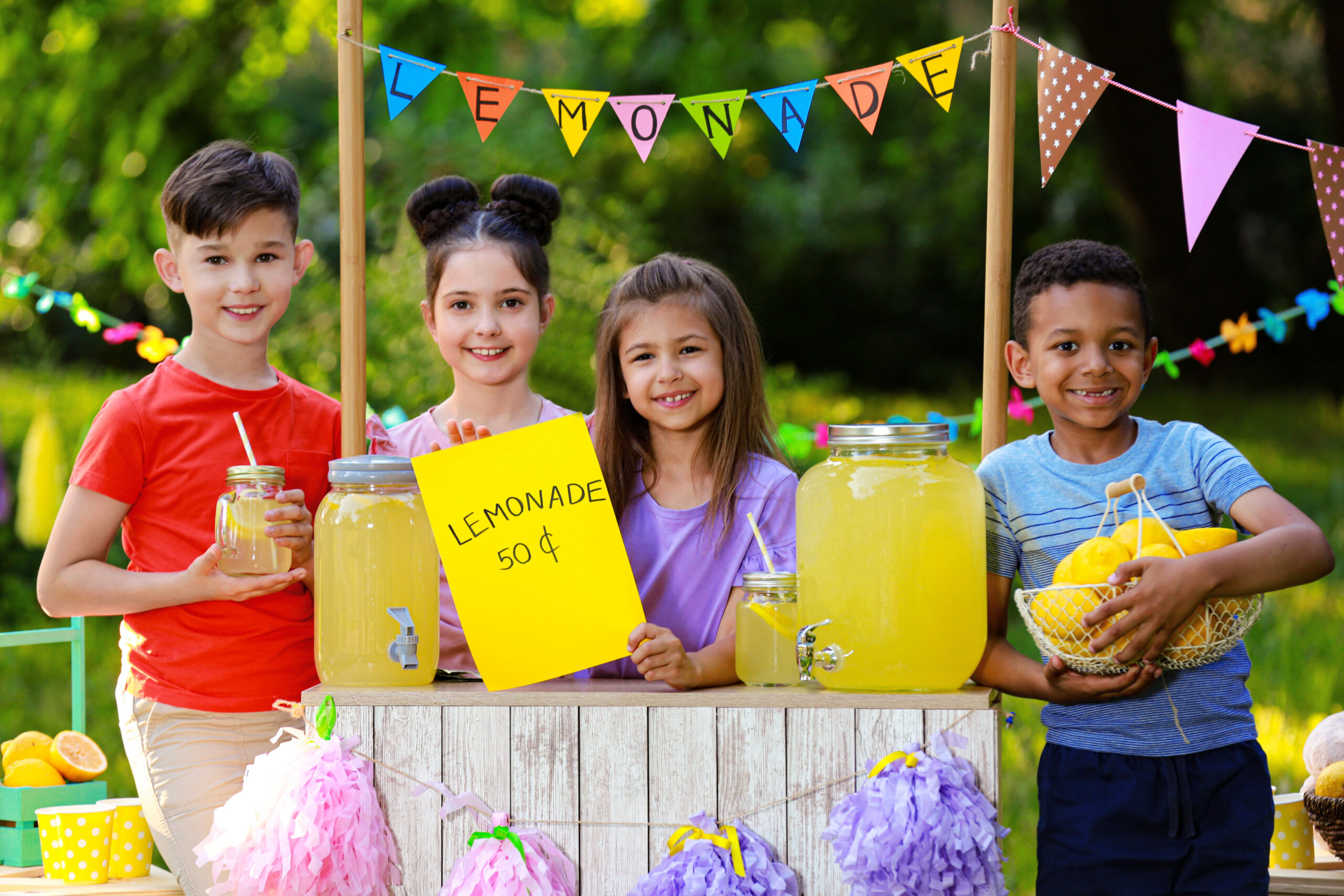
On a sun-baked sidewalk somewhere in America this summer, a child will drag a folding table to the curb, tape a hand-lettered sign to a cardboard box, and open for business. The product: lemonade, probably too sweet, maybe a little watery. The price: somewhere between optimistic and reasonable. The lesson: priceless.
What looks like a simple childhood pastime is, in practice, one of the most complete educational experiences available to a young person. Running a lemonade stand introduces children to financial literacy, marketing, customer service, and goal-setting — all without a textbook in sight.
“A lemonade stand isn’t just cute. It’s a classroom with a cash box.”
Learning Money the Real Way
Ask most adults where they first learned about money, and few will say a classroom. The concepts tend to stick when they’re lived, not lectured. That’s what the lemonade stand does so well.
Children running a stand quickly discover that buying lemons, sugar, and cups costs money — and that selling lemonade doesn’t automatically mean making money. The gap between what comes in and what goes out is profit, and it becomes viscerally real when a child realizes they’ve worked three hours and netted $2.75.
This early encounter with revenue, expenses, and margin does something no worksheet can replicate: it makes the abstract concrete. Suddenly, pricing decisions matter. Suddenly, waste has a cost. Suddenly, money is something you manage, not just spend.
Marketing Before They Know the Word
Nobody teaches a child to make a sign, but they always do. They pick colors, they choose big letters, they write “COLD!” or “FRESH!” because instinctively, they understand that attracting customers requires communicating something worth noticing.
Location, too, becomes a strategic decision. The corner near the park, the block with foot traffic, the spot visible from the stop sign — these are marketing choices, made without marketing vocabulary, by children who simply want to sell lemonade.
“They’re making business decisions every ten minutes, and they don’t even realize it.”
People Skills, One Cup at a Time
There is no better crash course in customer service than standing behind a table and actually dealing with customers. Children learn to make eye contact, say thank you, handle complaints graciously, and make change correctly — all while managing the social pressure of the transaction.
These are skills that transfer: to job interviews, to negotiations, to every conversation in which someone needs something from another person.
The lemonade stand is where many children discover they’re capable of engaging confidently with strangers — and that the world, mostly, responds warmly when you do.
Bigger Than the Bottom Line
Many children choose to donate their earnings. To a shelter, to a school supply drive, to a cause that matters to them. This transforms the stand from a business exercise into something more: a first lesson in philanthropy.
Organizations like Alex’s Lemonade Stand Foundation have made this ethos central, channeling the childhood lemonade stand into a vehicle for raising funds for childhood cancer research. The message it sends to young participants is lasting: your effort can help people you will never meet.
Five Skills in Every Glass
Financial Literacy Revenue, cost, and profit — learned by doing.
Marketing & Sales Signs, location, and how to attract a crowd.
Customer Service Politeness, change-making, and handling feedback.
Philanthropy Donating earnings teaches empathy and community.
Goal Setting Working toward a target builds patience and pride.
Programs That Take It Further
For parents and educators who want to formalize the experience, several organizations offer structured guides and events built around the lemonade stand model.
▸ Lemonade Day — A national program teaching youth entrepreneurship through structured stand events.
▸ Alex’s Lemonade Stand Foundation — Turns stands into fundraisers for childhood cancer research.
▸ Financial Educators Council — Resources for making the stand a financial literacy lesson.
This article is for informational and educational purposes. Sources include the Advantage Credit Counseling Service, Michigan State University Extension, Stand Together, Southern Living, and the Financial Educators Council.